

How to recognize the signs of gambling addiction early on
Understanding Gambling Addiction
Gambling addiction, also known as pathological gambling, is a behavioral condition characterized by an uncontrollable urge to gamble despite the potential negative consequences. Individuals with this addiction often prioritize gambling over responsibilities, relationships, and personal well-being. For a thrilling online experience, you can explore many options like https://slot-lounge-ca.online/. Recognizing the early signs is crucial as it allows for timely intervention, potentially preventing the escalation of the addiction into more severe financial and emotional distress.
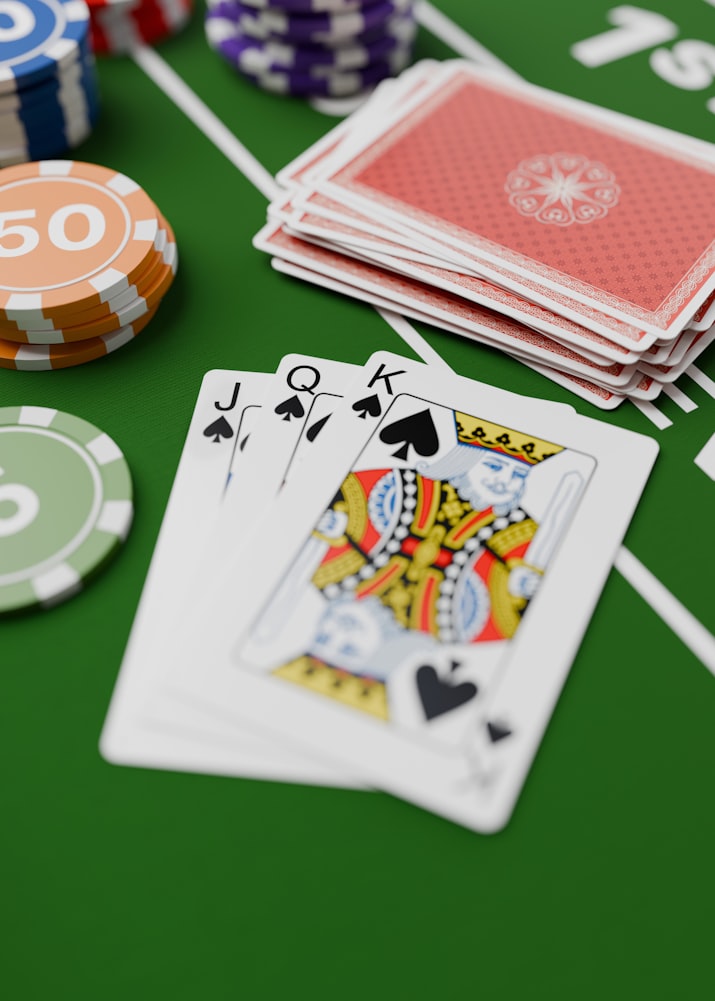
The psychological factors involved in gambling addiction can be complex. Many individuals initially engage in gambling for entertainment or social interaction, but over time, the thrill of winning and the adrenaline rush associated with gambling can lead to compulsive behaviors. Understanding this transition from casual gambling to addiction is critical in identifying the signs early on.
As gambling becomes a primary focus, it can lead to various negative outcomes, including financial instability, strained relationships, and emotional distress. Recognizing the symptoms of gambling addiction early not only helps the individual but can also save loved ones from the fallout that often accompanies such compulsive behaviors. The earlier the signs are identified, the more effective the intervention can be.
Common Signs of Gambling Addiction
There are several common signs that may indicate the onset of gambling addiction. One of the most significant is an increased preoccupation with gambling. Individuals may find themselves constantly thinking about their next bet or the last time they gambled, often to the detriment of other aspects of their lives. This obsession can interfere with work, school, and social interactions, leading to a decline in overall quality of life.
Another telling sign is the need to gamble with increasing amounts of money to achieve the same level of excitement. This is known as “chasing losses,” where the individual believes that they can win back lost money by gambling more. This behavior can lead to significant financial loss and may drive individuals to borrow money or engage in dishonest behavior to fund their gambling habits.
Irritability or restlessness when attempting to cut down or stop gambling is also a key indicator of addiction. If an individual becomes agitated or anxious when they are not gambling, it reflects a psychological dependence that can signal a serious problem. Recognizing these emotional and behavioral changes is crucial for early intervention and support.
The Impact on Relationships and Finances
Gambling addiction can severely impact relationships, often causing rifts with family and friends. As the individual prioritizes gambling over their loved ones, it can lead to feelings of betrayal and resentment among those who care. Communication breakdowns and emotional distance become common, making it difficult for relationships to heal without intervention.
Financial instability is another significant consequence of gambling addiction. Individuals may find themselves in debt, unable to meet financial obligations, or even resorting to illegal activities to fund their gambling. This financial strain not only affects the individual but also places a burden on their family and loved ones, leading to further complications in relationships.
Furthermore, the impact of gambling addiction extends beyond immediate relationships and finances. It can lead to job loss, legal issues, and even mental health disorders such as depression and anxiety. Understanding the broader implications of gambling addiction can help individuals and their families recognize the need for help and take proactive steps towards recovery.
Seeking Help and Support
Recognizing the signs of gambling addiction is only the first step; seeking help is crucial for recovery. Various treatment options are available, ranging from therapy and counseling to support groups. Cognitive-behavioral therapy (CBT) has proven effective in treating gambling addiction by helping individuals identify and change negative thought patterns associated with their gambling behaviors.
Support groups, such as Gamblers Anonymous, provide a platform for individuals to share their experiences and receive encouragement from others who understand their struggles. These groups foster a sense of community, reducing feelings of isolation that often accompany addiction. Engaging with support networks can be a powerful catalyst for change and recovery.
Additionally, involving family members in the recovery process can be beneficial. Family therapy sessions can help rebuild trust and communication among family members, providing a supportive environment for the individual in recovery. Seeking help is a sign of strength and an essential step toward a healthier, more balanced life.
Responsible Gambling Practices
Practicing responsible gambling is essential for anyone who chooses to engage in this form of entertainment. Setting strict limits on time and money spent gambling can help individuals maintain control and avoid the slippery slope into addiction. Monitoring personal gambling habits and recognizing warning signs can significantly reduce the risk of developing problematic behaviors.
Educating oneself about the odds and mechanics of gambling games is another proactive approach. Understanding that gambling is a game of chance can help individuals maintain a realistic perspective and avoid the pitfalls of magical thinking, where they believe that they can control outcomes through luck or skill. This awareness fosters a healthier relationship with gambling.
Additionally, utilizing tools and resources provided by casinos and online gaming platforms can be beneficial. Many establishments offer self-exclusion programs and other resources aimed at promoting responsible gambling. By taking advantage of these tools, individuals can better manage their gambling habits and seek help before issues arise.

Conclusion and Resources
Recognizing the early signs of gambling addiction is vital for preventing its progression into a more severe condition. By understanding the symptoms, seeking help, and practicing responsible gambling, individuals can protect themselves and their loved ones from the negative consequences of gambling addiction. It’s essential to foster open discussions about gambling and its potential risks to create a supportive environment for those struggling with addiction.
For those seeking assistance, resources such as counseling services, support groups, and educational materials are readily available. These tools empower individuals to take the necessary steps toward recovery and healthier decision-making. Remember, acknowledging the problem is the first step toward finding a solution and reclaiming control over one’s life.
No comments yet. Be the first to share your thoughts!